IKEA and the Flat-Pack Idea

Customers do the assembly, prices fall. Ingvar Kamprad's IKEA cut costs by shipping furniture flat and letting customers carry and build it. A broken table leg helped spark the idea.
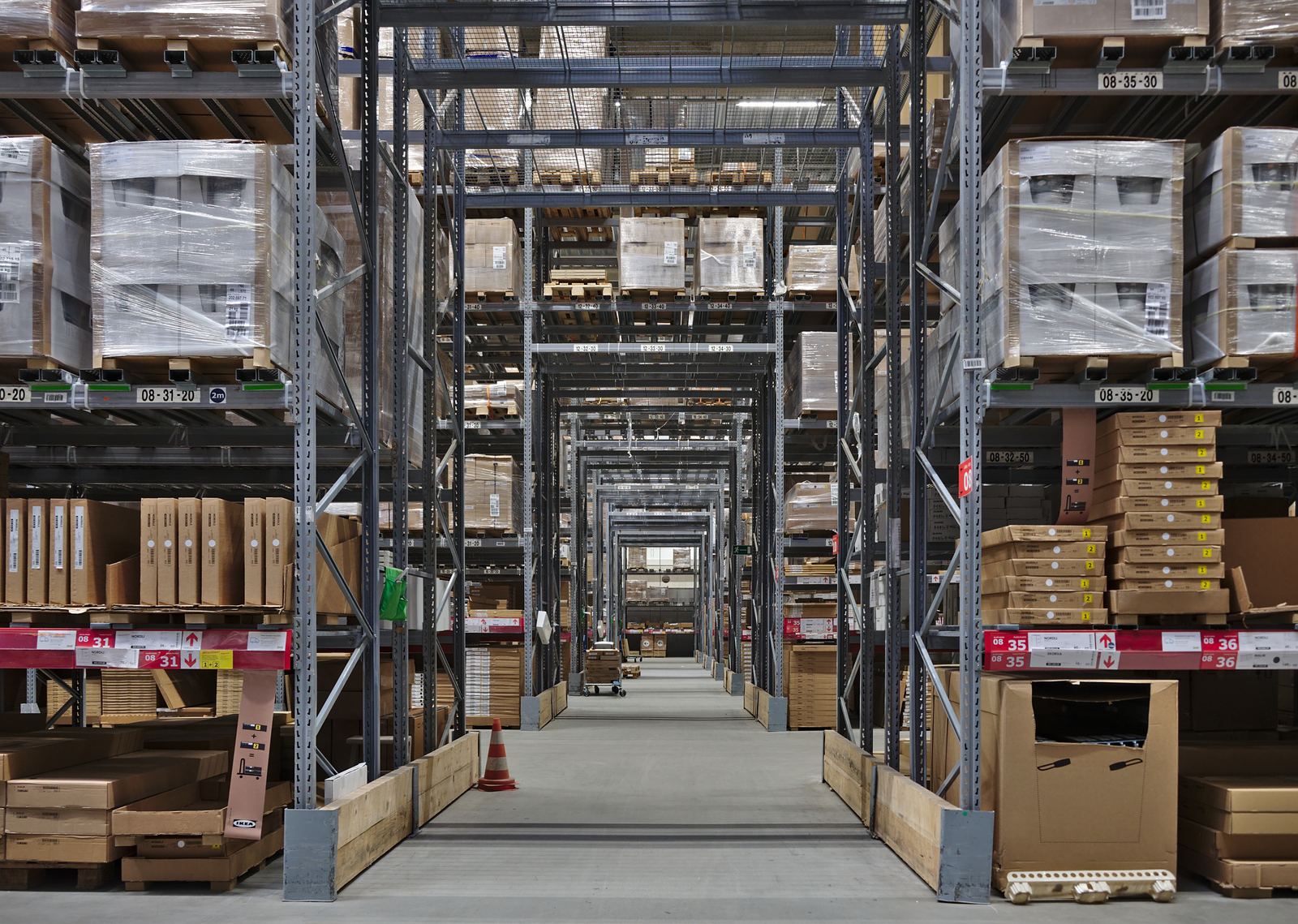
Tall aisles of flat-packed furniture boxes in an IKEA self-serve warehouse in Belgium

IKEA self-serve warehouse: Trougnouf, CC BY 4.0

A teenager's mail-order business

Ingvar Kamprad grew up on a farm called Elmtaryd near the village of Agunnaryd in southern Sweden. As a boy he sold matches, seeds and pens, and in 1943, at 17, he registered a company named from his initials and those two places: IKEA.

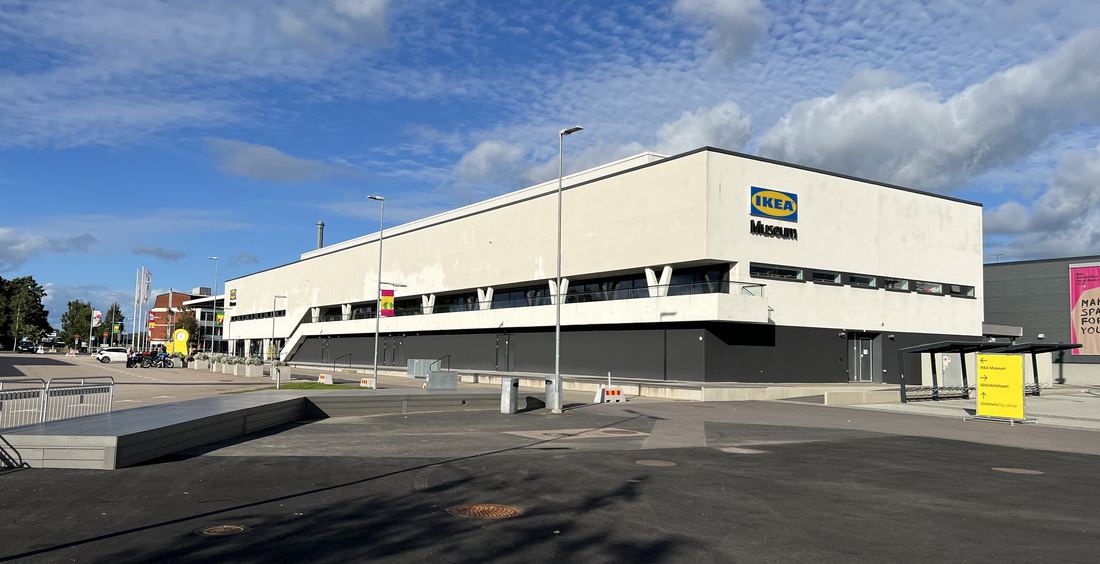
Furniture entered the catalog in the late 1940s, and the first IKEA catalog went out in 1951. In 1958 the company opened its first store in Älmhult, a building that now houses the IKEA Museum.

Taking the legs off

Furniture is bulky, and bulky goods are expensive to store and ship. In the mid-1950s IKEA designer Gillis Lundgren reportedly removed the legs from a table so it would fit into a car after a photo shoot. The company realized that if furniture were designed to ship flat, it would take up far less space in trucks and warehouses and be less likely to arrive damaged.

Flat packing became a core principle. Customers would carry the boxes home themselves and assemble the furniture, swapping a little time and effort for a much lower price.

Flat packing also changed the design process. Pieces had to be engineered so ordinary people could assemble them with simple tools, which led to clear picture-based instructions that work across languages. That made it easier for IKEA to sell the same products in dozens of countries.

A system, not a trick

Flat packs connect to every other part of IKEA's model. Large stores on cheap land outside cities, a self-serve warehouse where shoppers pull their own boxes, huge production runs of a limited range and designs that start with a target price all push costs down. The famous showroom path guides people past room settings so they can picture the products at home before heading to the warehouse.

Kamprad was known for personal frugality and for preaching cost consciousness until his death in 2018 at age 91.

The boss lesson

IKEA found savings by rethinking who does the work. Moving assembly and transport to the customer sounds like a downgrade, yet many people happily accept it in exchange for lower prices. Researchers have even described an IKEA effect, where people value things more when they help build them.

Ask which steps in your own business customers might be willing to handle themselves, and what you could give back in price or convenience.

Media credits
  • IKEA self-serve warehouse: Trougnouf, CC BY 4.0
  • Ingvar Kamprad, 2010: Ministry of Enterprise, Energy and Communications of Sweden/Sandra Baqirjazid, CC BY 2.0
  • IKEA Museum, Älmhult: Lesnydzban, CC BY 4.0

Text written by Biggest Bossman.

← Razor and Blades: Why Ink Costs So MuchThe Rule of 72 →

Shop

The Biggest Bossman collection

Tees and hoodies in the Biggest Bossman colors, printed to order in the USA. Use code FIRST15 from the newsletter for 15% off your first order.

Watch

Biggest Bossman Shorts

Quick, accurate, under a minute. Every Short is original and made only for this channel.

YouTube @BiggestBossman
Channel launching soon. Subscribe on the newsletter to hear first.
Get notified
Airbnb survived by selling cereal boxesPhotos: Brian Chesky TechCrunch.jpg - TechCrunch (CC BY 2.0) via Wikimedia Commons | Chambord Apartments (San Francisco).JPG - Sanfranman59 (CC BY-SA 4.0) via Wikimedia Commons | Bowl of Cereal (Unsplash).jpg - Yvens Banatte yvensb (CC0) via Wikimedia Commons | Cereal-Fruity-Pebbles.jpg - Evan-Amos (Public domain) via Wikimedia Commons | Bowl of mixed cereals.jpg - Toby Scratch Fanatic (CC0) via Wikimedia
Costco makes much of its profit from memberships, not productsPhotos: Costco (14965).jpg - EvanCarroll (CC BY-SA 4.0) via Wikimedia Commons | Costcointerior.jpg - Original uploader was Coolcaesar at en.wikipedia (CC BY-SA 3.0) via Wikimedia Commons | Costco Empty shelves March 2, 2020.agr.jpg - ArnoldReinhold (CC BY-SA 4.0) via Wikimedia Commons | Ikea warehouse interior.JPG - self-made (CC BY-SA 2.5 ca) via Wikimedia Commons | Shopping carts Tegut Tauberbischofshei
She turned $5,000 of savings into a billion dollar companyPhotos: Sara Blakely 2012 Shankbone.JPG - David Shankbone (CC BY 3.0) via Wikimedia Commons | Sara Blakely.jpg - Gillian Zoe Segal (CC BY-SA 4.0) via Wikimedia Commons | Fax machine printing.jpg - RikkisRefuge Other (CC BY 2.0) via Wikimedia Commons | Slater Mill - textile machines.jpg - Bestbudbrian (CC BY-SA 3.0) via Wikimedia Commons | Cotton textile mill interior with machines producing cotton thread,
The rule of 72 tells you when your money doublesPhotos: Börse Frankfurt stock exchange - Germany - Luminale 2014 - April 3rd 2014 - 02.jpg - Norbert Nagel (CC BY-SA 3.0) via Wikimedia Commons | Frankfurt Stock Exchange (Ank Kumar) 03.jpg - Ank Kumar (CC BY-SA 4.0) via Wikimedia Commons | Stack of coins 0214.jpg - Dori (Public domain) via Wikimedia Commons | -finance -wealth -savings -security -coin.jpg - Free Images (CC BY 2.0) via Wikimedia Commons |
Why printers are cheap and ink costs a fortunePhotos: Inkjet printer with covers removed.JPG - Snewkirk7953 (CC BY-SA 3.0) via Wikimedia Commons | Inkjet printer, no case, backside.JPG - Klosito (CC BY-SA 3.0) via Wikimedia Commons | Chrome-Safety-Razor.jpg - Evan-Amos (Public domain) via Wikimedia Commons | Razor blade (358309802).jpg - scott feldstein from West Bend, United States (CC BY 2.0) via Wikimedia Commons | Photograph of King Camp Gillette
Newsletter

The weekly Bossman brief

One true founder story and one plain money lesson every week, plus new pages as they go live. Education only, never financial advice.