Razor and Blades: Why Ink Costs So Much
Cheap starter product, pricey refills. Printers are cheap and ink is pricey on purpose. The razor-and-blades model sells the base product low and makes money on refills.
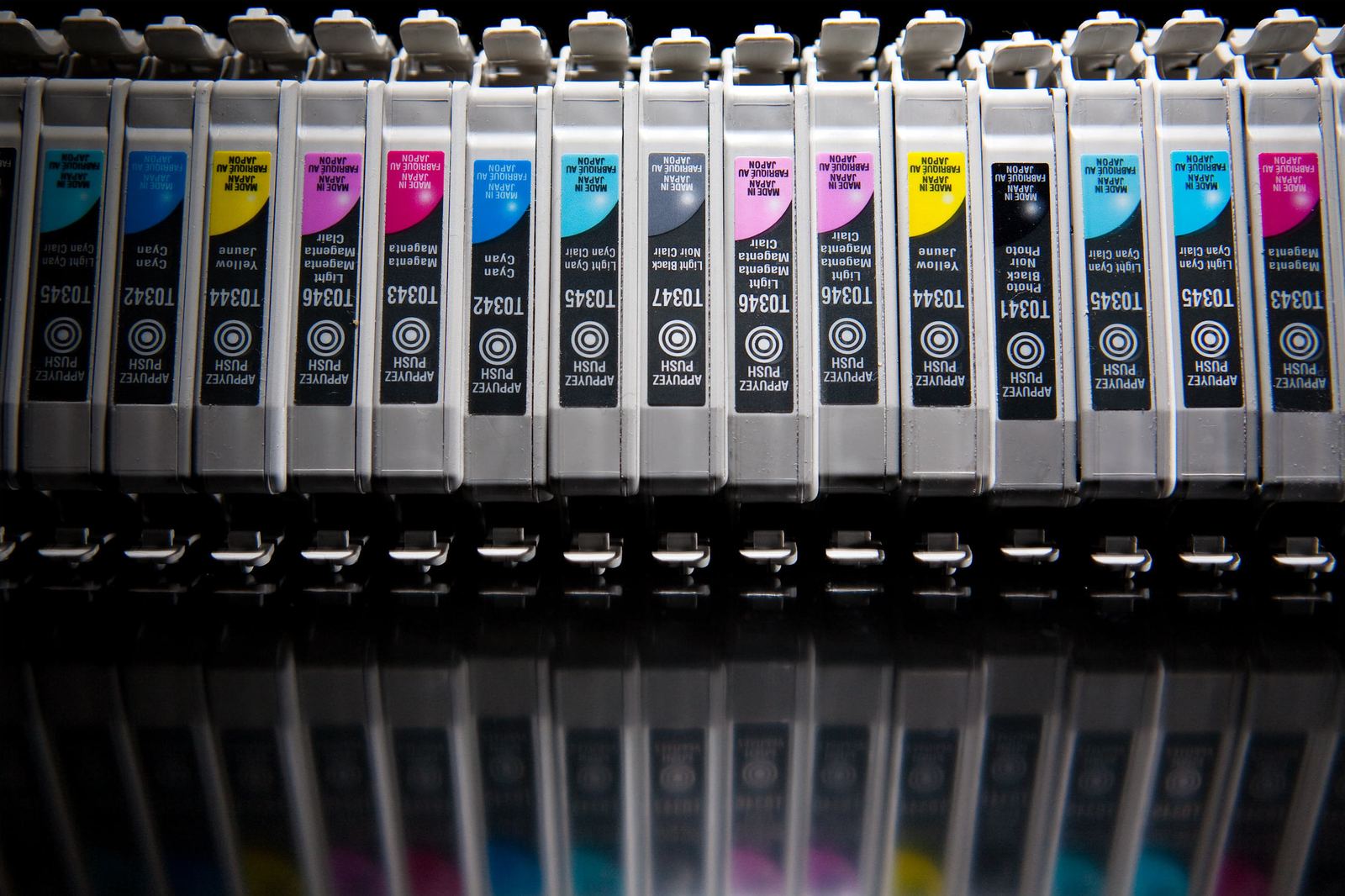
Spent inkjet cartridges: Kenny Louie from Vancouver, Canada, CC BY 2.0
The idea in one sentence
Sell the starter product cheaply, even at a loss, then earn steady profits on the consumable that customers must keep buying. The name comes from shaving: a razor handle lasts for years, but blades wear out every few weeks.
King C. Gillette patented a safety razor with thin disposable blades in 1904, and his company is usually credited with the strategy. Some business historians point out that Gillette actually kept razor prices fairly high while his patents lasted, and the classic giveaway pattern became common later. Either way, the label stuck.
Why printers are cheap and ink costs a fortune
The razor-and-blades model: sell the base product cheaply, profit from repeat purchases like blades or ink cartridges.
YouTube @BiggestBossman (launching soon). Photos in this Short: Inkjet printer with covers removed.JPG - Snewkirk7953 (CC BY-SA 3.0) via Wikimedia Commons | Inkjet printer, no case, backside.JPG - Klosito (CC BY-SA 3.0) via Wikimedia Commons | Chrome-Safety-Razor.jpg - Evan-Amos (Public domain) via Wikimedia Commons | Razor blade (358309802).jpg - scott feldstein from West Bend, United States (CC BY 2.0) via Wikimedia Commons | Photograph of King Camp Gillette, taken in 1894 or earlier.jpg - Unknown authorUnknown author (Public domain) via Wikimedia Commons
Why your printer was so cheap
Home inkjet printers are the textbook modern case. Manufacturers often sell entry-level models for little more than the cost of making them, sometimes less, and recover the money when you buy ink. Measured per milliliter, cartridge ink is often compared to luxury perfume.
To protect those refill profits, companies use patents, cartridge designs that fit only certain models and chips that can reject some third-party cartridges. That has drawn criticism and lawsuits, and it is why many buyers now compare the lifetime cost of ink, not just the sticker price of the printer.
Where else you see it
Single-serve coffee machines and their pods, video game consoles and their games, electric toothbrushes and replacement heads, and water filter pitchers and cartridges all follow some version of the pattern. Even many software and phone plans use a cheap device or free tier to lock in a long relationship.
There is also a reverse version. Some companies sell an expensive device and cheap or free refills, betting that a premium machine with low running costs will win buyers who are tired of paying for refills. Several printer makers now sell models with large refillable ink tanks for exactly this reason.
The boss lesson
For a business, this model can create predictable recurring revenue, but it only works when the refill is truly needed, hard to substitute and fairly priced enough that customers do not revolt. If competitors can easily sell cheaper refills, the cheap starter product becomes a pure loss.
For shoppers, the lesson is to calculate total cost of ownership. A cheaper machine can cost far more over its life once you add up refills, and a pricier option with cheap supplies may be the better deal.
- University of Chicago Law Review: The Razors-and-Blades Myth(s), Randal C. Picker
- Smithsonian National Museum of American History: Gillette Razor Blade
- Wikipedia: Safety razor
Facts on this page were checked against these sources.
- Spent inkjet cartridges: Kenny Louie from Vancouver, Canada, CC BY 2.0
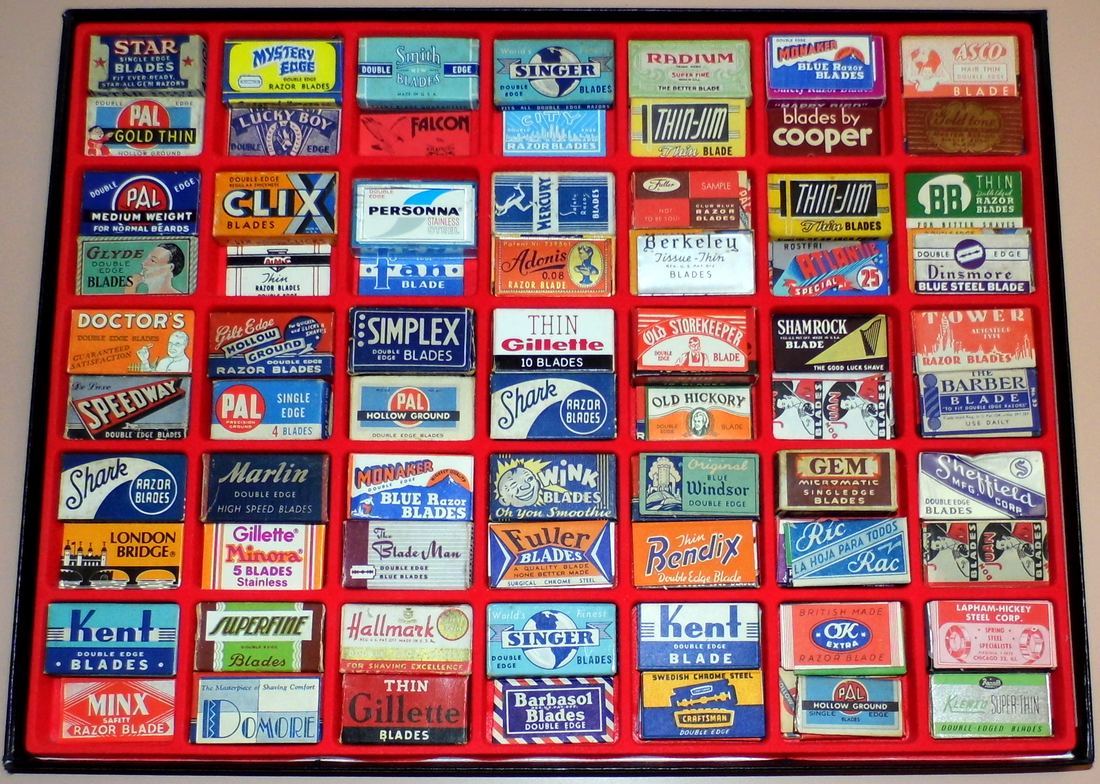
- Vintage safety razor blades: Joe Haupt from USA, CC BY-SA 2.0
- Short photos: Inkjet printer with covers removed.JPG - Snewkirk7953 (CC BY-SA 3.0) via Wikimedia Commons | Inkjet printer, no case, backside.JPG - Klosito (CC BY-SA 3.0) via Wikimedia Commons | Chrome-Safety-Razor.jpg - Evan-Amos (Public domain) via Wikimedia Commons | Razor blade (358309802).jpg - scott feldstein from West Bend, United States (CC BY 2.0) via Wikimedia Commons | Photograph of King Camp Gillette, taken in 1894 or earlier.jpg - Unknown authorUnknown author (Public domain) via Wikimedia Commons | Safety razor shaving kit.jpg - Hustvedt (CC BY-SA 3.0) via Wikimedia Commons | King Camp Gillette.jpg - Benjamin Joseph Falk (Public domain) via Wikimedia Commons | Inkjet printer No case, front side.JPG - Klosito (CC BY-SA 3.0) via Wikimedia Commons
Text written by Biggest Bossman.



.jpg)