Inflation Explained
Why prices rise and what it means for savings. What inflation is, how the US measures it with the CPI, why central banks aim for about 2 percent, and how to protect your savings from it.
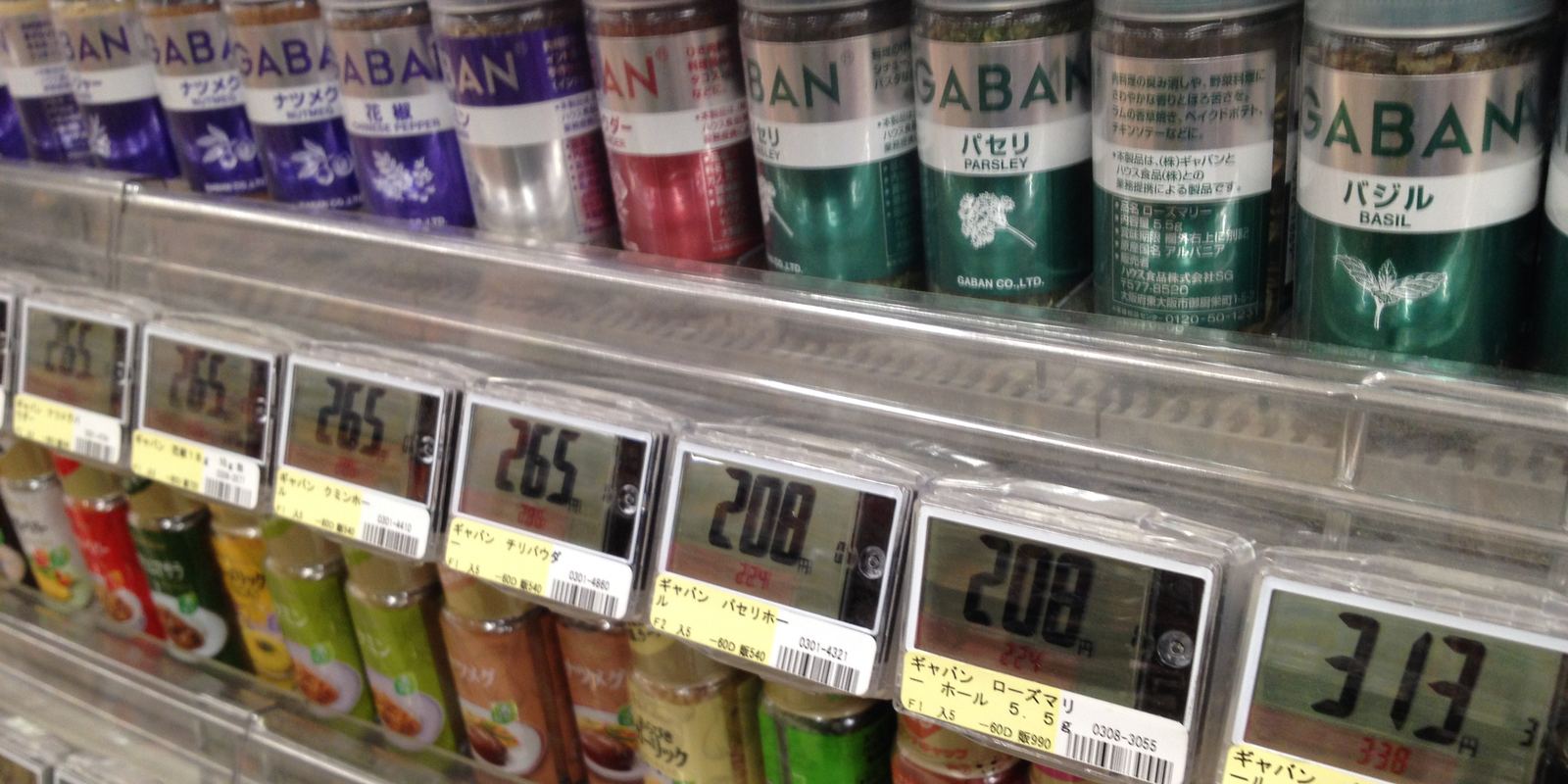
A supermarket shelf price label: Banku, CC BY-SA 4.0
What inflation means
Inflation is a general increase in prices across the economy. When inflation is 3 percent, something that cost 100 dollars last year costs about 103 dollars now. Over time, the same amount of cash buys less, which is why money sitting in a zero-interest account slowly loses purchasing power.
How it is measured
In the US, the Bureau of Labor Statistics publishes the Consumer Price Index each month, tracking the prices of a large basket of goods and services, from rent and food to transport and healthcare. The Federal Reserve targets inflation of 2 percent a year over the long run, measured by a related index called PCE. Core inflation leaves out volatile food and energy prices to show the underlying trend.
What causes it
Inflation can rise when demand outruns supply, for example when spending jumps faster than businesses can produce, or when costs such as energy, wages or shipping rise. Supply chain problems and strong demand after the pandemic pushed US inflation to its highest level in about four decades in 2022, before it eased. Central banks raise interest rates to cool demand when inflation runs too hot.
Key takeaways
Inflation slowly reduces what cash can buy. The CPI is the main US measure, and the Federal Reserve aims for about 2 percent a year. Keep emergency savings in an interest-earning account, and invest long-term money in assets that have historically outpaced inflation. Remember that a raise below the inflation rate is a pay cut in real terms.
Protecting your money
Keep your emergency fund in a high-yield savings account so it earns interest. For long-term goals, investments such as diversified stock funds have historically outpaced inflation over long periods, though with ups and downs. Inflation-protected Treasuries and Series I bonds are designed to keep up with inflation. Use our Rule of 72 page to see how quickly prices double at different rates.
This page is general education, not financial, tax or legal advice. Everyone's situation is different, so check official sources and consider talking to a licensed professional before big decisions.
- A supermarket shelf price label: Banku, CC BY-SA 4.0
Text written by Biggest Bossman.
← 401(k), IRA and Roth: Retirement Accounts 101Dollar-Cost Averaging →