401(k), IRA and Roth: Retirement Accounts 101
2026 limits and how they work. How 401(k)s, traditional IRAs and Roth IRAs work, the 2026 contribution limits from the IRS, employer matches and why starting early matters.
US five dollar bills: Hamster28, CC BY-SA 4.0
Why special accounts exist
Retirement accounts give you tax advantages to encourage long-term saving. A 401(k) is offered through an employer and named after a section of the US tax code. An IRA, an individual retirement arrangement, is one you open yourself at a bank or brokerage. Both come in traditional and Roth versions.
Traditional vs Roth
With traditional accounts, contributions are usually made before tax, lowering your taxable income now, and you pay income tax when you withdraw in retirement. With Roth accounts, you contribute money you have already paid tax on, and qualified withdrawals in retirement are tax free. Roth can make sense if you expect a higher tax rate later; traditional if you expect a lower one.
2026 limits
For 2026 the IRS raised the 401(k) employee contribution limit to 24,500 dollars, plus an 8,000 dollar catch-up for people aged 50 and over, or 11,250 dollars for those aged 60 to 63 in most plans. The IRA limit rose to 7,500 dollars, with a 1,100 dollar catch-up for those 50 and over. Roth IRA eligibility phases out for single filers with income between 153,000 and 168,000 dollars, and between 242,000 and 252,000 dollars for married couples filing jointly.
Key takeaways
Use tax-advantaged accounts before ordinary taxable investing when you can. Always capture a full employer match. Choose traditional or Roth based on whether you expect your tax rate to be higher now or later; many people use both. Check the IRS limits each year, because they usually rise with inflation. Invest the money inside the account, not just deposit it.
Start early, grab the match
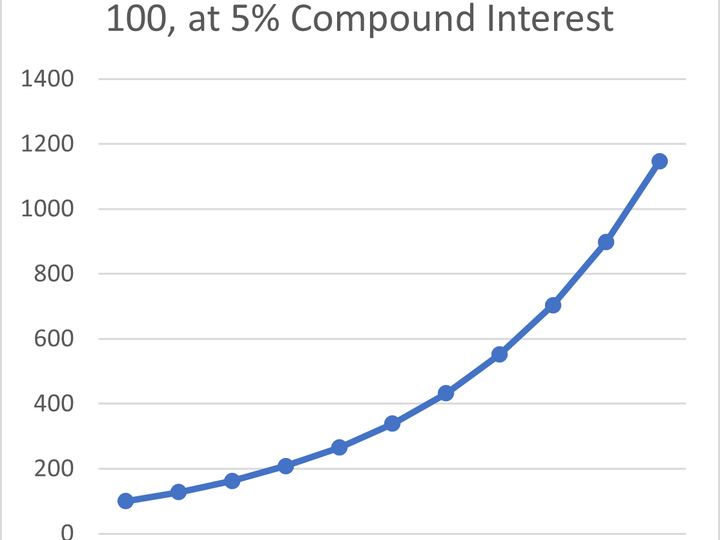
If your employer matches 401(k) contributions, contribute at least enough to get the full match: it is part of your pay. Thanks to compound interest, money invested in your twenties has decades to grow, so even small amounts matter. Withdrawing before age 59 and a half usually triggers taxes and a 10 percent penalty, with some exceptions.
This page is general education, not financial, tax or legal advice. Everyone's situation is different, so check official sources and consider talking to a licensed professional before big decisions.
- US five dollar bills: Hamster28, CC BY-SA 4.0
Text written by Biggest Bossman.