Debt Snowball vs Debt Avalanche

Two proven ways to get out of debt. The debt snowball pays smallest balances first for quick wins; the avalanche targets the highest interest rate to save money. How to choose.
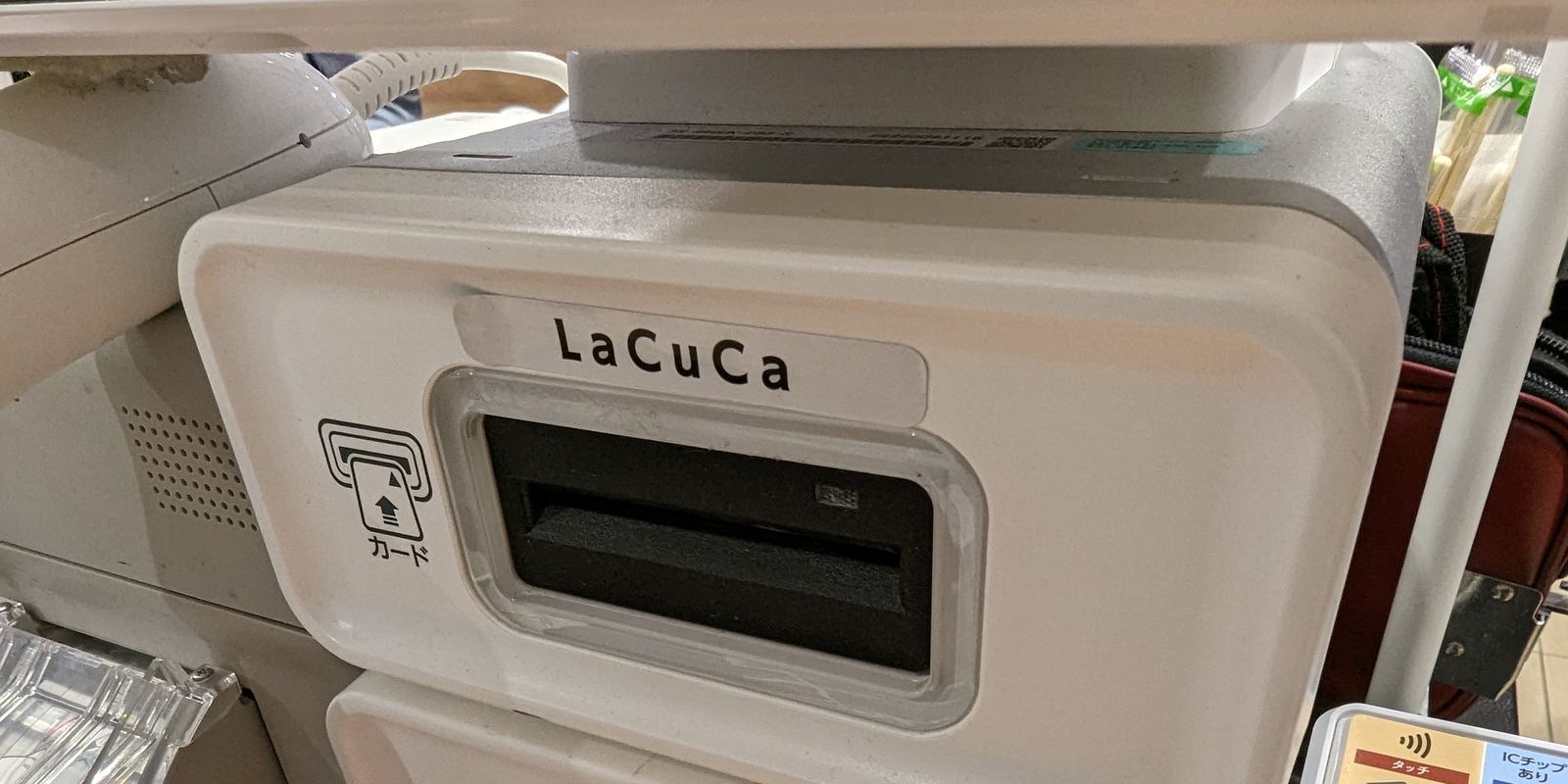
A card reader at a supermarket checkout

Paying at the checkout: Syced, CC0

Start with a list

Write down every debt: the balance, the interest rate and the minimum payment. Seeing it all in one place is often the hardest and most useful step. Then commit to paying at least the minimum on every debt, every month, so nothing falls behind, and decide where any extra money goes.

The snowball

With the debt snowball, you put all your extra money toward the smallest balance, regardless of interest rate. When it is gone, you roll that payment into the next smallest, and so on. The payments grow like a snowball. Its strength is psychology: clearing a whole debt quickly feels great and keeps people going, which research on motivation supports.

The avalanche

With the debt avalanche, extra money goes to the debt with the highest interest rate first, often a credit card charging over 20 percent. Mathematically this saves the most in interest and usually gets you debt-free a bit sooner. The downside is that the first win may take longer if the expensive debt is also large.

Key takeaways

List every debt with its balance, rate and minimum. Always pay the minimums. Choose the snowball for motivation or the avalanche for savings, then stick with it. Stop adding new debt while you pay off the old. Celebrate each debt you clear, then roll its payment into the next one so your progress speeds up month after month.

Choosing and staying on track

If you need motivation, start with the snowball; if you are disciplined and want to save the most, use the avalanche. Some people clear one small debt first, then switch to the avalanche. Either way, stop adding new debt, build a small emergency fund so surprises do not go on a card, and ask lenders about hardship plans if you are struggling. Nonprofit credit counselling agencies can also help.

This page is general education, not financial, tax or legal advice. Everyone's situation is different, so check official sources and consider talking to a licensed professional before big decisions.

Media credits
  • Paying at the checkout: Syced, CC0

Text written by Biggest Bossman.
← Credit Scores ExplainedHow the Stock Market Works →

Shop

The Biggest Bossman collection

Tees and hoodies in the Biggest Bossman colors, printed to order in the USA. Use code VIP15 from the newsletter for 15% off your first order.

Watch

Biggest Bossman Shorts

Quick, accurate, under a minute. Every Short is original and made only for this channel.

YouTube @BiggestBossmanOfficial
New Shorts every day. Subscribe so you never miss one.
Subscribe

Latest Shorts

Airbnb survived by selling cereal boxesPhotos: Brian Chesky TechCrunch.jpg - TechCrunch (CC BY 2.0) via Wikimedia Commons | Chambord Apartments (San Francisco).JPG - Sanfranman59 (CC BY-SA 4.0) via Wikimedia Commons | Bowl of Cereal (Unsplash).jpg - Yvens Banatte yvensb (CC0) via Wikimedia Commons | Cereal-Fruity-Pebbles.jpg - Evan-Amos (Public domain) via Wikimedia Commons | Bowl of mixed cereals.jpg - Toby Scratch Fanatic (CC0) via Wikimedia
Costco makes much of its profit from memberships, not productsPhotos: Costco (14965).jpg - EvanCarroll (CC BY-SA 4.0) via Wikimedia Commons | Costcointerior.jpg - Original uploader was Coolcaesar at en.wikipedia (CC BY-SA 3.0) via Wikimedia Commons | Costco Empty shelves March 2, 2020.agr.jpg - ArnoldReinhold (CC BY-SA 4.0) via Wikimedia Commons | Ikea warehouse interior.JPG - self-made (CC BY-SA 2.5 ca) via Wikimedia Commons | Shopping carts Tegut Tauberbischofshei
She turned $5,000 of savings into a billion dollar companyPhotos: Sara Blakely 2012 Shankbone.JPG - David Shankbone (CC BY 3.0) via Wikimedia Commons | Sara Blakely.jpg - Gillian Zoe Segal (CC BY-SA 4.0) via Wikimedia Commons | Fax machine printing.jpg - RikkisRefuge Other (CC BY 2.0) via Wikimedia Commons | Slater Mill - textile machines.jpg - Bestbudbrian (CC BY-SA 3.0) via Wikimedia Commons | Cotton textile mill interior with machines producing cotton thread,
The rule of 72 tells you when your money doublesPhotos: Börse Frankfurt stock exchange - Germany - Luminale 2014 - April 3rd 2014 - 02.jpg - Norbert Nagel (CC BY-SA 3.0) via Wikimedia Commons | Frankfurt Stock Exchange (Ank Kumar) 03.jpg - Ank Kumar (CC BY-SA 4.0) via Wikimedia Commons | Stack of coins 0214.jpg - Dori (Public domain) via Wikimedia Commons | -finance -wealth -savings -security -coin.jpg - Free Images (CC BY 2.0) via Wikimedia Commons |
Why printers are cheap and ink costs a fortunePhotos: Inkjet printer with covers removed.JPG - Snewkirk7953 (CC BY-SA 3.0) via Wikimedia Commons | Inkjet printer, no case, backside.JPG - Klosito (CC BY-SA 3.0) via Wikimedia Commons | Chrome-Safety-Razor.jpg - Evan-Amos (Public domain) via Wikimedia Commons | Razor blade (358309802).jpg - scott feldstein from West Bend, United States (CC BY 2.0) via Wikimedia Commons | Photograph of King Camp Gillette
Newsletter

The weekly Bossman brief

One true founder story and one plain money lesson every week, plus new pages as they go live. Education only, never financial advice.