How Franchising Works

Renting a proven system. How franchising works for brands and owners: fees, royalties, the Franchise Disclosure Document, pros and cons, and questions to ask before buying.
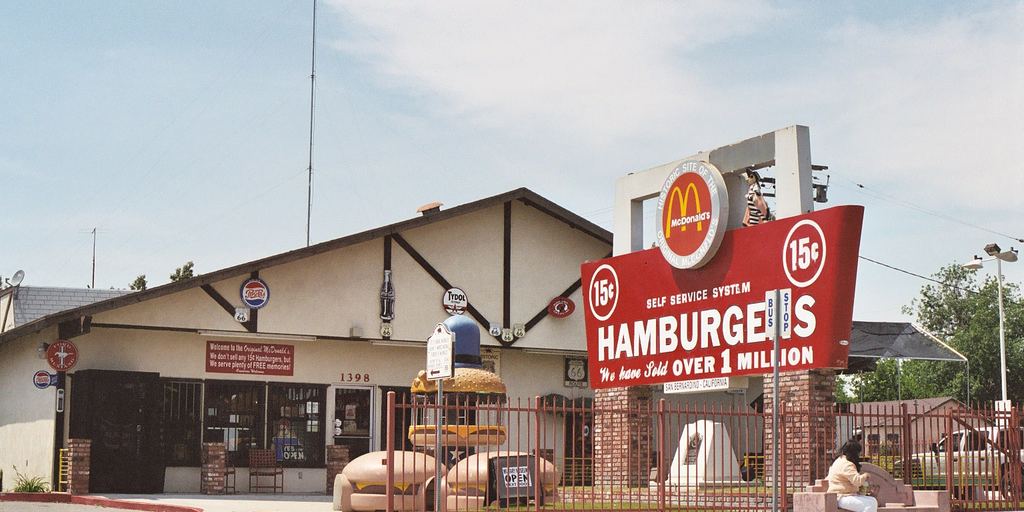
The site of the first McDonald's restaurant in San Bernardino, California

The original McDonald's site, San Bernardino: Cogart Strangehill, CC BY-SA 2.0

The deal

In franchising, a company, the franchisor, licenses its brand, recipes, training and systems to independent owners, the franchisees, who invest their own money to open and run locations. Franchisees usually pay an upfront fee, build-out and equipment costs, and ongoing royalties, often a percentage of sales, plus contributions to a shared marketing fund.

Why it works

For the brand, franchising allows rapid growth using other people's capital and local knowledge. For the owner, it offers a proven concept, supplier relationships and brand recognition, which can lower the risk compared with starting from scratch. Ray Kroc's McDonald's and Fred DeLuca's Subway grew this way, as our Fast Food Run sister site explains.

The disclosure document

In the US, the Federal Trade Commission's Franchise Rule requires franchisors to give prospective buyers a Franchise Disclosure Document at least 14 calendar days before they sign or pay. It covers fees, litigation history, the number of locations opened and closed, the franchisee's obligations and, in some cases, financial performance. Read it carefully and talk to current and former franchisees.

Key takeaways

Franchising lets owners buy into a proven system, but it comes with fees, royalties and rules. Read the Franchise Disclosure Document carefully. Talk to current and former franchisees about real costs and profits. Have a lawyer and an accountant review the agreement before signing. Make sure you have enough working capital to survive the first year.

Questions to ask

What is the total investment, including working capital? What royalties and fees apply? How much control do you have over prices and suppliers? How many franchisees have left recently and why? What territory protection do you get? A franchise lawyer and an accountant can review the agreement before you sign.

This page is general education, not financial, tax or legal advice. Everyone's situation is different, so check official sources and consider talking to a licensed professional before big decisions.

Media credits
  • The original McDonald's site, San Bernardino: Cogart Strangehill, CC BY-SA 2.0

Text written by Biggest Bossman.
← The Subscription Business ModelApple's Garage Beginning →

Shop

The Biggest Bossman collection

Tees and hoodies in the Biggest Bossman colors, printed to order in the USA. Use code VIP15 from the newsletter for 15% off your first order.

Watch

Biggest Bossman Shorts

Quick, accurate, under a minute. Every Short is original and made only for this channel.

YouTube @BiggestBossmanOfficial
New Shorts every day. Subscribe so you never miss one.
Subscribe

Latest Shorts

Airbnb survived by selling cereal boxesPhotos: Brian Chesky TechCrunch.jpg - TechCrunch (CC BY 2.0) via Wikimedia Commons | Chambord Apartments (San Francisco).JPG - Sanfranman59 (CC BY-SA 4.0) via Wikimedia Commons | Bowl of Cereal (Unsplash).jpg - Yvens Banatte yvensb (CC0) via Wikimedia Commons | Cereal-Fruity-Pebbles.jpg - Evan-Amos (Public domain) via Wikimedia Commons | Bowl of mixed cereals.jpg - Toby Scratch Fanatic (CC0) via Wikimedia
Costco makes much of its profit from memberships, not productsPhotos: Costco (14965).jpg - EvanCarroll (CC BY-SA 4.0) via Wikimedia Commons | Costcointerior.jpg - Original uploader was Coolcaesar at en.wikipedia (CC BY-SA 3.0) via Wikimedia Commons | Costco Empty shelves March 2, 2020.agr.jpg - ArnoldReinhold (CC BY-SA 4.0) via Wikimedia Commons | Ikea warehouse interior.JPG - self-made (CC BY-SA 2.5 ca) via Wikimedia Commons | Shopping carts Tegut Tauberbischofshei
She turned $5,000 of savings into a billion dollar companyPhotos: Sara Blakely 2012 Shankbone.JPG - David Shankbone (CC BY 3.0) via Wikimedia Commons | Sara Blakely.jpg - Gillian Zoe Segal (CC BY-SA 4.0) via Wikimedia Commons | Fax machine printing.jpg - RikkisRefuge Other (CC BY 2.0) via Wikimedia Commons | Slater Mill - textile machines.jpg - Bestbudbrian (CC BY-SA 3.0) via Wikimedia Commons | Cotton textile mill interior with machines producing cotton thread,
The rule of 72 tells you when your money doublesPhotos: Börse Frankfurt stock exchange - Germany - Luminale 2014 - April 3rd 2014 - 02.jpg - Norbert Nagel (CC BY-SA 3.0) via Wikimedia Commons | Frankfurt Stock Exchange (Ank Kumar) 03.jpg - Ank Kumar (CC BY-SA 4.0) via Wikimedia Commons | Stack of coins 0214.jpg - Dori (Public domain) via Wikimedia Commons | -finance -wealth -savings -security -coin.jpg - Free Images (CC BY 2.0) via Wikimedia Commons |
Why printers are cheap and ink costs a fortunePhotos: Inkjet printer with covers removed.JPG - Snewkirk7953 (CC BY-SA 3.0) via Wikimedia Commons | Inkjet printer, no case, backside.JPG - Klosito (CC BY-SA 3.0) via Wikimedia Commons | Chrome-Safety-Razor.jpg - Evan-Amos (Public domain) via Wikimedia Commons | Razor blade (358309802).jpg - scott feldstein from West Bend, United States (CC BY 2.0) via Wikimedia Commons | Photograph of King Camp Gillette
Newsletter

The weekly Bossman brief

One true founder story and one plain money lesson every week, plus new pages as they go live. Education only, never financial advice.